Buy gold bars in Africa — licensed sourcing from Congo & Uganda

Africa produces roughly 25% of the world’s gold, yet most international buyers have no direct access to source-country exporters. Orders of 5 kg and above require a 10% deposit of the agreed purchase value before shipment. The deposit is part of the purchase price and is credited against the final balance. After receipt, CRM arranges export documentation and transportation to the nominated refinery or agreed address. For refinery deliveries, the final balance is due within 24 hours of assay confirmation, based on the agreed price and confirmed weight and purity, less the deposit. Client-address testing, acceptance and payment timing are stated in the FCO and SPA. Ownership transfers after final payment is received.

Licensed exporter (DRC & Uganda) Assay-before-payment Chain-of-custody docs FOB trials & CIF contracts Delivery to Dubai, Zurich, London

Why buy gold from Africa?

Mine-direct pricing

Buying from a licensed source-country exporter removes intermediary markups. You deal directly with the company that controls the export corridor, not a chain of brokers.
Established export corridors

Our DRC-to-hub logistics route is proven and documented. Gold moves under export licence, sealed and insured, with airway bills and chain-of-custody paperwork that refineries and banks require.

Growing global demand

Central banks and institutional buyers are increasing gold allocations. African-sourced gold with proper documentation meets the same refinery standards as any other origin.

Where we source gold in Africa

Democratic Republic of Congo (DRC)

Our headquarters are in Goma, North Kivu. The DRC is Africa’s largest gold-producing country by artisanal volume. We source from formalized production within the DRC corridor and export under licence.

Read the full DRC sourcing guide →

Uganda

Uganda serves as our East Africa logistics hub. Certain exports are consolidated and shipped from Entebbe, subject to current regulations and refinery arrangements.

Read the full Uganda guide →

How African gold reaches your refinery

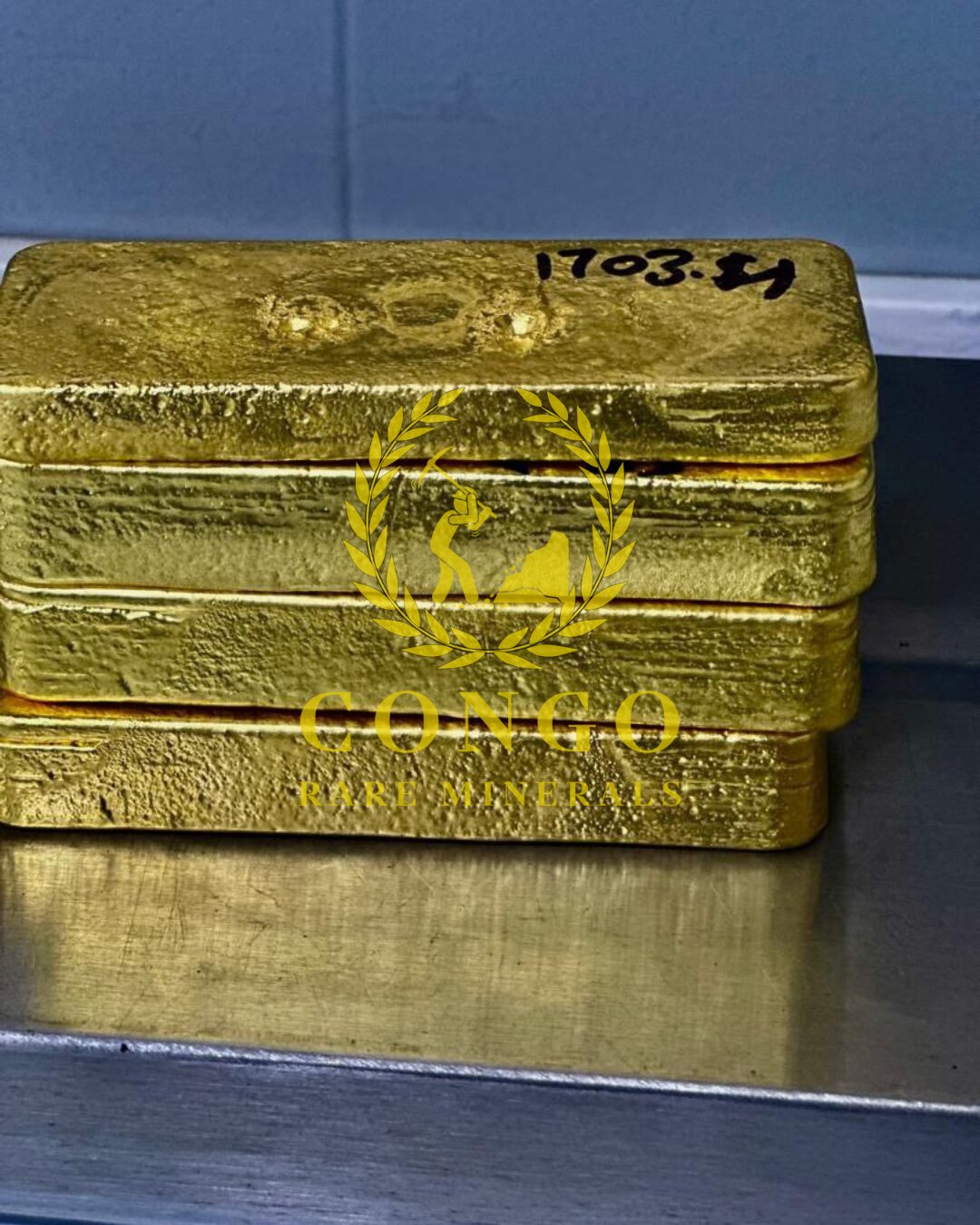
Gold is sourced, weighed and sealed at origin, exported under licence, then shipped by air to the buyer’s nominated refinery in Dubai, Zurich, London or another agreed hub. The refinery assays the metal and issues the report that triggers final payment.

How it works

1. RequestShare quantity in kg, Incoterm (FOB or CIF), delivery hub and refinery nomination.
2. KYCIndividuals and companies may submit personal or company details, contact information, quantity, preferred purity, and a nominated refinery or delivery address. After acceptance of the purchase procedure, CRM sends an FCO for review and signature. The FCO and SPA confirm the order terms. Banks, refineries and destination authorities may have their own documentation requirements.
3. AssayGold is sealed and assayed at your chosen refinery, with results shared with both parties.
4. LogisticsWe coordinate export, insurance and delivery, depending on FOB or CIF terms agreed.
5. SettlementOrders of 5 kg and above require a 10% deposit of the agreed purchase value before shipment. The deposit is part of the purchase price and is credited against the final balance. After receipt, CRM arranges export documentation and transportation to the nominated refinery or agreed address. For refinery deliveries, the final balance is due within 24 hours of assay confirmation, based on the agreed price and confirmed weight and purity, less the deposit. Client-address testing, acceptance and payment timing are stated in the FCO and SPA. Ownership transfers after final payment is received.
Ready to buy gold from Africa?

Tell us your quantity, delivery hub and preferred Incoterm. We will send you a draft SPA within 48 hours.

Prefer to read first? Download the Buyer Pack (PDF).

FAQ – buying gold in Africa

Is it legal to buy gold from Africa?
Yes. Gold is a legally traded commodity across Africa. The key is working with a licensed exporter who follows the export regulations of the source country. Congo Rare Minerals holds export licences in the DRC and operates through Uganda, with destination requirements confirmed for each order.
Which African countries do you source gold from?
We currently source from the Democratic Republic of Congo (DRC) and Uganda. DRC is our primary sourcing corridor — we are based in Goma, North Kivu — and Uganda serves as our East Africa logistics hub for certain exports.
How do you prove the gold is conflict-free?
Every shipment includes chain-of-custody documentation tracing the gold from source through export. We work within the DRC’s formal mining and export framework and provide the documentation that refineries and banks require for due diligence.
Which refineries accept African-sourced gold?
Many international refineries in Dubai, Switzerland and elsewhere accept properly documented African gold. The buyer nominates their preferred refinery, and we deliver to that facility under the terms of the SPA.
What is the assay-before-payment model?
Under our standard terms, the gold is shipped sealed to the buyer’s nominated refinery. Orders of 5 kg and above require a 10% deposit of the agreed purchase value before shipment. The deposit is part of the purchase price and is credited against the final balance. After receipt, CRM arranges export documentation and transportation to the nominated refinery or agreed address. For refinery deliveries, the final balance is due within 24 hours of assay confirmation, based on the agreed price and confirmed weight and purity, less the deposit. Client-address testing, acceptance and payment timing are stated in the FCO and SPA. Ownership transfers after final payment is received. This protects the buyer from paying for unverified metal.
Can I start with a trial order?
Yes. We offer FOB trial shipments for buyers who want to verify our process before committing to larger CIF contracts. Individuals and companies may submit personal or company details, contact information, quantity, preferred purity, and a nominated refinery or delivery address. After acceptance of the purchase procedure, CRM sends an FCO for review and signature. The FCO and SPA confirm the order terms. Any additional requirements of the bank, nominated refinery or destination authority are handled separately; CRM does not list mandatory KYC onboarding as a purchase step.